Chase Sapphire Preferred vs. Bilt Obsidian: Premium Rewards, Very Different Strategies
-
 Written by
Katherine Fan
Written by
Katherine Fan
-
 Edited by
Emily Gadd, CCC™
Edited by
Emily Gadd, CCC™
-
 Reviewed by
Jasmin Baron, CCC™
Reviewed by
Jasmin Baron, CCC™

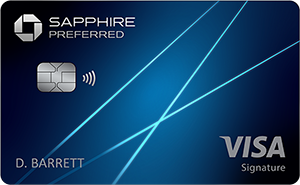
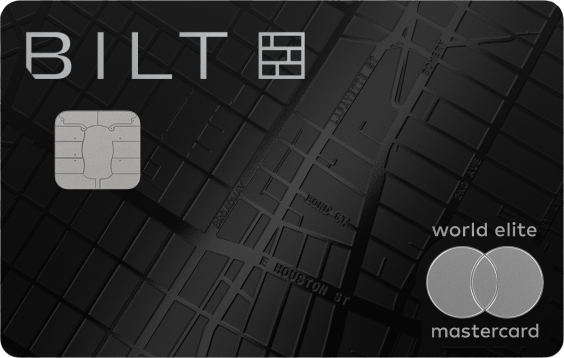
The Chase Sapphire Preferred® Card is one of the most established travel rewards cards on the market, while the Bilt Obsidian Card is a highly-hyped lifestyle credit card that’s undergoing a major product transformation.
Both credit cards carry a $95 annual fee and offer valuable rewards, with elevated bonuses on travel and dining purchases. They don’t charge foreign transaction fees, and cardholders get unique travel benefits with both cards. Beyond these similarities, there are many differences between the Chase Sapphire Preferred Card and the Bilt Obsidian Card.
If you’re trying to decide between these two credit cards, here’s what you should know about each one.

400+ Credit Cards
Analyzed independently across 50+ data points in 30+ product categories

Reviewed
By a team of credit card experts with an average of 9+ years of experience

Trusted by
More than one million monthly readers seeking unbiased credit card guidance
CardCritics™ editorial team is dedicated to providing unbiased credit card reviews, advice and comprehensive comparisons. Our team of credit card experts uses rigorous data-driven methodologies to evaluate every card feature, fee structure and rewards program. In most instances, our experts are longtime members or holders of the very programs and cards they review, so they have firsthand experience maximizing them. We maintain complete editorial independence — our ratings and recommendations are never influenced by advertiser relationships or affiliate partnerships. You can learn more about our editorial standards, transparent review process and how we make money to understand how we help you make informed financial decisions.
How the Cards Compare: Chase Sapphire Preferred vs. Bilt Obsidian Card
Annual Fee
Purchase and Balance Transfer APR
Welcome Bonus
Ongoing Rewards
Earn 1X points + 4% back in Bilt Cash on everyday purchases
Earn 2X points on travel
Earn 3X points on your choice of grocery (up to $25K/year) or dining. Your 3X category choice remains in effect for the entire calendar year.
Pros & Cons
- Generous intro bonus
- Primary rental car coverage
- 10% Anniversary Bonus
PROS
- Lounge access or free checked bags are not available
- No intro APR for purchases or balance transfers
- Complicated rewards
CONS
- Earns points on rent and mortgage payments
- Strong earning rates on travel and dining or groceries
- Good travel and purchase protections
PROS
- Annual fee
- Complicated rewards program
- Weak welcome bonus compared to similar travel cards
CONS
Learn More
The newly introduced Bilt Obsidian is the mid-tier option in a lineup of Bilt credit cards relaunched under a new issuer, with a more complex earning system and a controversial rewards split between Bilt points and Bilt Cash.
Meanwhile, the Chase Sapphire Preferred Card has remained largely unchanged for well over a decade, offering consistently reliable earning rates and travel benefits, including primary rental car insurance and generous trip delay reimbursement.
Welcome Bonuses
Chase Sapphire Preferred Welcome Bonus
The Chase Sapphire Preferred Card offers 75,000 Chase Ultimate Rewards® points after spending $5,000 on purchases in the first three months from account opening.
This bonus is worth up to $1,312 when you redeem points through Chase Travel℠ with Points Boost, and potentially more when you transfer rewards to Chase’s airline and hotel partners to book award travel. If redeemed for cash back only, this bonus is still worth $750.
Bilt Obsidian Welcome Bonus
With the Bilt Obsidian, you will receive $200 of Bilt Cash when you apply and get approved. We’ll explain Bilt Cash in more detail below in the “Redeeming Rewards” section of this article.
The Bilt Obsidian offer is a true welcome bonus: Qualifying card applicants will receive the reward upon approval of the new card, with no minimum spending requirement.
CardCritics™ Opinion
The Chase Sapphire Preferred Card bonus is significantly more valuable if you can meet the spending requirement, because it’s worth more and offers more flexible redemption options. Meanwhile, the Bilt Obsidian bonus is far smaller and tied to Bilt Cash, which can only be used in a handful of ways in limited increments.
Earning Rewards
Both cards earn bonus rewards on travel and food purchases. Here’s how those bonus categories break down.
How To Earn Rewards with Chase Sapphire Preferred
The Chase Sapphire Preferred Card earns rewards on the following expenses:
- 5x points on travel booked through Chase
- 3x points on dining
- 3x points on online groceries such as meal kit deliveries and Instacart purchases
- 3x points on select streaming services
- 1x points on all other purchases
How To Earn Rewards with Bilt Obsidian
Bilt now offers two reward types: Bilt points and Bilt Cash. These are two separate reward currencies, and the latest iteration of Bilt Rewards is complicated enough to warrant a stand-alone explanation of Bilt Cash below.
Bilt Points
The Bilt Obsidian Card earns Bilt points in several ways:
- 3x points on your choice of dining or groceries (groceries capped at $25,000 annually)
- 2x points on travel
- 1x points on everyday spend (some exclusions apply)
- Up to 1.25x points on rent or mortgage with qualifying activity, or a flat 250 Bilt points per month without qualifying activity
Cardholders can choose to earn 3 points per dollar on uncapped dining purchases or on up to $25,000 in groceries each year. Qualifying purchases must be coded as grocery stores on the merchant side to earn bonus points.
The card defaults to bonus rewards on dining, but you can change to earning 3x on groceries within your first 30 days as a cardholder. After that, you cannot change your preference again until the following January.
The card also has more exclusions in 1x earning categories than many competitor credit cards — cardholders interested in earning rewards for tax payments, for example, will not be able to do so with the Bilt Obsidian.
Bilt Rewards 2.0
The new Bilt credit cards also earn additional rewards on rent or mortgage in two different ways: flexible Bilt Cash or housing-only rewards. Cardholders can choose between earning Bilt Cash or housing rewards, and can change their preference each month.
Bilt Cash
Bilt Cash is an additional rewards system on top of Bilt points, and can be used to unlock rewards from rent or mortgage payments at a rate of $30 per 1,000 Bilt points. Bilt Cash earners get 4% Bilt Cash per dollar spent on most purchases beyond rent and mortgage, with some exclusions on purchases like gift cards or tax payments.
For example, if your monthly rent payment is $2,000 and you spent $1,500 in eligible non-rent payments the previous month, you’d earn $60 Bilt Cash you can use to earn 2,000 additional Bilt points from your rent payment. (If you don’t have Bilt Cash to use and don’t want to pay a 3% fee to earn rewards, you’d only earn 250 Bilt points from paying rent through the Bilt Obsidian card.)
Bilt Cash can also be redeemed for a number of other goods and services, such as dining, travel and rideshare expenses, typically in fractional increments per month. Finally, most Bilt Cash expires at the end of each calendar year, although you can roll over up to $100 for use in the following year.
Housing-Only Rewards
Meanwhile, cardholders who don’t want to bother with Bilt Cash can choose to earn points based on how much they spend on non-rent or mortgage expenses — up to 1.25x per month.
You’ll earn rewards on your housing payments based on how much you charge to the card on non-housing purchases:
- 0.5x housing payment for spending at least 25% of the housing amount on everyday purchases
- 0.75x housing payment for spending at least 50% of the housing amount on everyday purchases
- 1x housing payment for spending at least 75% of the housing amount on everyday purchases
- 1.25x housing payment for spending at least 100% of the housing amount on everyday purchases
Again, let’s say your rent payment is $2,000 per month. If you spent $500 on your Bilt Obsidian card beyond rent payments, you’d earn 1,000 Bilt points from rent, or 0.5x (50%) of your $2,000 rent payment. If you spent $1,000 on the card, you’d earn 1,500 Bilt points, or 0.75 (75%) of a $2,000 rent. If you spent $1,500 on the card, you’d earn 2,000 Bilt points. And if you spent $2,000 on the card in addition to your monthly rent payment, you’d earn 2,500 Bilt points for rent.
CardCritics™ Opinion
The Chase Sapphire Preferred isn’t the simplest rewards credit card, but it’s far easier to navigate than the Bilt Obsidian.
If Bilt sounds complicated, that’s because it is — and the company keeps changing the terms even before the new card has launched.
If you’re looking for a single credit card for your household, both the Sapphire Preferred Card and the Bilt Obsidian are solid choices. If you want to optimize your monthly spend by switching cards based on your top-earning categories, we recommend the Chase Sapphire Preferred Card for simplicity.
Redeeming Rewards
As discussed before, neither card offers the simplest redemption structure, but the Chase Sapphire Preferred Card is far more straightforward than the Bilt Obsidian.
How To Redeem Rewards With Chase Sapphire Preferred
Cardholders can redeem Chase Sapphire Reserve rewards in many ways, including:
- Point transfers to more than a dozen airline and hotel partners
- Direct travel purchases via Chase Travel
- As cash back or statement credits
How To Redeem Rewards With Bilt Obsidian
Cardholders can redeem Bilt points in several ways, including:
- Transferring points to 24 airline and hotel partners
- Redeeming for cash back, statement credits, or toward rent and mortgage payments
- Purchasing goods and services through Bilt
Cardholders can redeem Bilt Cash in several different ways as well, including:
- Unlocking points from rent or mortgage payments
- In small monthly increments for dining, delivery services, rideshares and more
- Premium experiences through Bilt
CardCritics™ Opinion
While the Bilt Obsidian offers a plethora of rewards, learning how to earn and redeem them is unnecessarily confusing and complicated. Furthermore, there’s no guarantee the rewards program will remain unchanged, even in Year 1. Meanwhile, the Chase Ultimate Rewards program maintains relatively consistent value despite major updates in 2025.
Card Benefits
Both cards offer generous benefits, especially given their annual fee levels. Yet rewards cards with a $95 annual fee are a dime a dozen, so we’re going to focus on the standout benefits that make each card unique.
Chase Sapphire Preferred Benefits
The Chase Sapphire Preferred Card offers numerous additional benefits, including some of the best travel insurance available for a travel rewards credit card of this caliber. Noteworthy benefits include primary rental car coverage and trip delay reimbursement.
Primary rental car coverage kicks in when an eligible incident occurs to a rental car in your possession, such as a qualifying theft or damage. When you file a claim with primary coverage, you can do so directly with the insurance company that partners with Chase instead of having to first file with your own auto insurance company. This typically allows you to avoid adding incidents to your personal insurance record, saving you a mark that can cost you big time on your next insurance assessment and bill.
Trip delay reimbursement covers basic expenses incurred during eligible travel delays. If you’re stranded due to weather, for example, you can be reimbursed for the cost of items like toothpaste, meals and accommodations, and a change of clothes if you need them.
Bilt Obsidian Benefits
The Bilt Obsidian is a World Elite Mastercard that includes built-in benefits, including travel insurance and up to two years of extended warranty coverage.
The 24-month warranty extension is particularly noteworthy because most credit cards only extend warranties on new purchases by 12 months. Cardholders who use the Bilt Obsidian to pay for eligible purchases with warranties of up to 24 months can double their warranty coverage.
CardCritics™ Opinion
Both cards offer strong protection for insurance benefits. If you don’t travel often, the Bilt Obsidian’s extended warranty coverage is superior to that of the Chase Sapphire Preferred Card. If you travel a lot, and particularly if you rent cars often, the Sapphire Preferred is your best bet.
Fees and Costs
Both the Chase Sapphire Preferred Card and the Bilt Obsidian Card have annual fees under $100, making them great options for people who want lifestyle and travel benefits without paying a premium.
Chase Sapphire Preferred Fees and Costs
- Annual fee: $95
- Late fee: Up to $40
- Foreign transaction fee: None
- APR: 19.24% - 27.49% Variable
Bilt Obsidian Fees and Costs
- Annual fee: $95
- Late fee: Up to $41
- Foreign transaction fee: None
- APR: 10.00% Introductory APR applies to each New Card Purchase that posts to your account during the first 12 billing cycles after the date you open your account. After that a 26.74% to 34.74% Variable APR applies to Purchases. A 26.74% to 34.74% Variable APR applies to Balance Transfers, based on your creditworthiness.
CardCritics™ Opinion
Both cards have the same annual fee, but the Bilt Obsidian has much higher ongoing APRs. While you should always strive to pay your credit cards in full each month to avoid interest charges, these different rates are worth noting if you occasionally need to carry a balance.
How To Choose Between the Chase Sapphire Preferred and the Bilt Obsidian
If you are looking for a single credit card for everyday use, here are some factors to consider when comparing the Chase Sapphire Preferred Card and the Bilt Obsidian Card.
Ease of Use
Both credit cards come with a learning curve for earning and redeeming rewards. But in most cases, the Sapphire Preferred Card is easier to learn because it’s been around for longer, and the program isn’t constantly changing.
It offers a relatively simple rewards structure, with clear paths for earning and redemption that don’t require managing multiple reward “currencies.” Chase also offers well-established customer service channels, including bank branches nationwide, which is helpful for customers seeking more hands-on care.
In contrast, the Bilt Obsidian’s updated rewards model is unnecessarily complicated, encompassing both Bilt Points and Bilt Cash as well as rules about unlocking rent rewards. These layers of complexity make it harder to maximize rewards.
Bonus Categories
On paper, the Bilt Obsidian appears to offer far more per dollar spent than the Chase Sapphire Preferred Card, with the option to earn 4% Bilt Cash in addition to up to 3 points per dollar spent. However, Bilt’s constantly-changing rewards system makes it challenging to understand what Bilt’s bonuses are truly worth, and how versatile they are to use.
For example, Bilt Obsidian cardholders can redeem up to $1,200 in Bilt Cash toward hotel stays each year. However, they can only apply up to $100 in Bilt Cash per month toward two-night stays booked through the Bilt travel portal. Almost all other Bilt Cash redemption options include similar limitations.
Meanwhile, the Chase Ultimate Rewards ecosystem is quite robust, with many easy ways to redeem rewards with no cap.
Security and Reliability
Chase is an established bank offering a wide range of financial products, including more than a dozen credit cards in addition to the Sapphire Preferred Card.
Meanwhile, the new Bilt Obsidian Card is no longer backed by Wells Fargo and its established customer service channels. Instead, it’s issued by Cardless, a fintech company behind dozens of credit cards, with a minimal online presence and numerous online complaints about poor, inaccessible customer service.
CardCritics™ Opinion
The former version of the Bilt credit card offered fantastic benefits for most cardholders. After the recent refresh, the Bilt Obsidian Card falls behind the Chase Sapphire Preferred Card in several ways, including higher APRs and confusing rewards. However, both cards offer strong earning potential for frequent foodies and occasional travelers.
Frequently Asked Questions About the Chase Sapphire Preferred vs. Bilt Obsidian
Which card has the better welcome bonus — Chase Sapphire Preferred Card or Bilt Obsidian?
The Chase Sapphire Preferred Card offers a much stronger welcome bonus of 75,000 Ultimate Rewards points after spending $5,000 in your first three months as a cardholder. Meanwhile, the Bilt Obsidian comes with only $200 in Bilt Cash, with limited redemption options. However, the Bilt bonus is automatically applied if you are approved for the card.
Can I earn travel rewards on rent with either card?
Yes, you can use the Bilt Obsidian Card to pay rent and earn rewards, provided you spend a minimum amount on the card each month. Through the Bilt platform, you can also pay a 3% transaction fee to unlock rent rewards when you pay with any credit card, although doing so isn’t usually the best use of your money.
Which credit card has better travel benefits?
Both credit cards offer strong travel benefits for their annual fee, including several types of travel insurance and strong airline and hotel transfer partners. The Chase Sapphire Preferred Card comes out slightly ahead for better primary rental car insurance coverage, while the Bilt Obsidian offers stronger extended warranty benefits.
Will I pay foreign transaction fees on either credit card?
No, neither the Chase Sapphire Preferred Card nor the Bilt Obsidian charges foreign transaction fees.