Chase Travel Insurance: A Comprehensive Guide
-
 Written by
Jasmin Baron, CCC™
Written by
Jasmin Baron, CCC™
-
 Edited by
Emily Gadd, CCC™
Edited by
Emily Gadd, CCC™

Travel doesn’t always go smoothly. Flight delays, lost luggage, last-minute cancellations and rental-car fender benders can easily disrupt your journey, but Chase travel insurance benefits can save the day. Many Chase credit cards include built-in travel protections that can reimburse you when things go awry, typically at no additional cost.
Unlike standalone travel insurance policies, Chase credit card travel insurance is included with eligible cards such as the Chase Sapphire Reserve® and Chase Sapphire Preferred® Card. It activates when you pay for travel with the card or redeem eligible rewards, such as Chase Ultimate Rewards® points. These benefits can provide peace of mind and financial protection for frequent and occasional travelers alike.
We’ll break down how Chase travel insurance works, which protections are included, which Chase cards offer the best coverage, and when it makes sense to supplement card benefits with a standalone policy.

400+ Credit Cards
Analyzed independently across 50+ data points in 30+ product categories

Reviewed
By a team of credit card experts with an average of 9+ years of experience

Trusted by
More than one million monthly readers seeking unbiased credit card guidance
CardCritics™ editorial team is dedicated to providing unbiased credit card reviews, advice and comprehensive comparisons. Our team of credit card experts uses rigorous data-driven methodologies to evaluate every card feature, fee structure and rewards program. In most instances, our experts are longtime members or holders of the very programs and cards they review, so they have firsthand experience maximizing them. We maintain complete editorial independence — our ratings and recommendations are never influenced by advertiser relationships or affiliate partnerships. You can learn more about our editorial standards, transparent review process and how we make money to understand how we help you make informed financial decisions.
What Is Chase Credit Card Travel Insurance?
Chase credit card travel insurance refers to the complimentary travel protections included with certain Chase cards. These benefits may reimburse you for covered losses or expenses if your trip is disrupted by qualifying events such as severe illness, inclement weather or carrier delays.
Coverage usually kicks in when you pay for all or part of your trip with an eligible card or redeemable rewards from the card. Protections vary, with premium cards generally offering higher limits and broader coverage than no-annual-fee cards.
Credit card travel insurance is not the same as traditional travel insurance that you’d purchase separately for a trip. Instead of a customizable policy, Chase offers predefined coverage with specific limits, exclusions and eligibility rules, which you can find in your card’s guide to benefits. For average travelers, Chase’s built-in protections may be enough to cover common travel mishaps.
Complimentary Benefits vs. Standalone Policies
Most Chase travel insurance protections are complimentary, so you won’t pay a separate premium as long as you use an eligible card (or rewards from the card) to book your trip. This makes them especially valuable for budget-minded travelers who want coverage at no added cost.
That said, you may need a standalone travel insurance policy if you want perks Chase cards don’t offer, such as Cancel For Any Reason (CFAR) coverage, medical insurance or coverage for extended international trips. I like to think of Chase travel insurance benefits as a strong foundation, but not a complete replacement for coverage.
How Chase Travel Insurance Works
Chase credit card travel insurance isn’t automatic. In most cases, to activate Chase’s travel protections, you must:
- Pay for all or part of your trip with your Chase card, or
- Use redeemable rewards from the card (such as Ultimate Rewards points) to book travel
Coverage is triggered only for specific covered events, and you must file a claim for reimbursement. Each benefit has its own terms, limits and exclusions, which are explained in the benefits guide for your specific Chase card. Your benefits guide was mailed to you when you opened your card, but if you’ve misplaced it, it’s also available on the card’s dashboard in your online Chase account.
Key Travel Insurance Protections on Chase Cards
Chase offers a wide range of travel insurance benefits, especially on its premium travel credit cards. Chase Sapphire travel insurance from the Sapphire Reserve and Sapphire Preferred Card is particularly robust, putting them on our list of the best credit cards with travel insurance. But Chase’s airline cards, hotel cards and other co-branded cards also offer some competitive coverage.
Let’s look at the most valuable travel protections you may find on your Chase card.
Trip Cancellation and Interruption Insurance
Trip cancellation and interruption insurance reimburses nonrefundable, prepaid travel expenses if your trip is canceled or cut short for a covered reason. Common covered events include:
- Illness or injury (you, your traveling companion or an immediate family member) verified by a physician
- Severe weather at your origin or destination
- Jury duty or a change in military orders
- Death of a covered individual
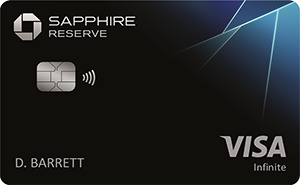
For example, the Chase Sapphire Reserve and Sapphire Preferred Card offer trip cancellation and interruption coverage up to $10,000 per covered traveler and $20,000 per trip (with a maximum of $40,000 per 12-month period per account). This can cover expenses such as flights, hotels, tours and cruises that would otherwise be lost.
You’ll find trip cancellation and interruption insurance on some other Chase cards, including:
- Chase Freedom Unlimited®, Chase Freedom Rise® and Chase Freedom Flex®: Up to $1,500 per covered traveler and up to $6,000 per trip
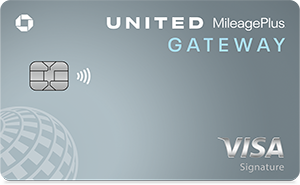
- United Gateway℠ Card, United℠ Explorer Card and United Quest℠ Card: Up to $1,500 per covered traveler and up to $6,000 per trip
- United Club℠ Card: Up to $10,000 per covered traveler and up to $20,000 per trip (maximum of $40,000 per 12-month period per account)
- The World of Hyatt Credit Card and IHG One Rewards Premier Credit Card: Up to $5,000 per covered traveler and up to $10,000 per trip (maximum of $20,000 per 12-month period per account)
Trip Delay Reimbursement
Trip delay reimbursement covers reasonable out-of-pocket expenses when your travel is delayed for an extended period. With cards that include this benefit, you could be reimbursed up to $500 per covered traveler for necessities such as meals, accommodations, medication and toiletries if your trip is delayed by more than 12 hours or requires an overnight stay.
One exception: With the Chase Sapphire Reserve, coverage begins after just six hours of delay.
Other Chase cards with trip delay insurance include:
- Chase Sapphire Preferred Card
- Certain United credit cards (including the United Explorer, United Quest and United Club)
- Certain Marriott credit cards (including the Marriott Bonvoy Boundless® Credit Card and Marriott Bonvoy Bold® Credit Card)
- Aeroplan® Credit Card
- World of Hyatt Card
I’ve filed a trip delay insurance claim a few times when I’ve either missed a connection and had to stay overnight, or my flight’s been canceled altogether and I’ve been rebooked the next day. Each instance, I was reimbursed for a hotel stay, a meal, and a rideshare to or from the airport, resulting in hundreds of dollars in savings.
Baggage Delay and Lost Luggage Insurance
If your checked baggage is misdirected or delayed by the carrier, Chase may reimburse you for essential purchases such as clothing and toiletries if it doesn’t arrive within a certain period. Similarly, if your luggage is lost, damaged or stolen, coverage can reimburse the value of the baggage and items it contained.
For example, with the Chase Sapphire Preferred Card, you’ll receive:
- Baggage delay insurance: After six hours of delay, up to $100 per day for up to five days
- Lost luggage reimbursement: Up to $3,000 per traveler per trip, with certain exclusions and limitations around high-value items (for New York residents, up to $2,000 per bag and up to $10,000 for all covered travelers per trip)
Other Chase cards with baggage delay and lost luggage coverage (with varying limits) include:
- Chase Sapphire Reserve
- Certain Southwest credit cards (including the Southwest Rapid Rewards® Priority Credit Card and Southwest Rapid Rewards® Plus Credit Card)
- Certain United credit cards (including the United Explorer, United Quest and United Club)
- Certain Marriott credit cards (including the Marriott Bonvoy Boundless and Marriott Bonvoy Bold)
- IHG One Rewards Premier Credit Card and IHG One Rewards Traveler Credit Card
- World of Hyatt Card
- Aeroplan® Credit Card (baggage delay only)
- British Airways Visa Signature® Card, Iberia Visa Signature® Card and Aer Lingus Visa Signature® Card
- Prime Visa
On a family trip to Arizona with United Airlines booked using my Chase United Quest Card, two of our checked bags were left behind at our connecting airport. We received them the following afternoon, but in the interim, I had to buy my kids a change of clothes. I filed a delayed baggage claim once we returned and was reimbursed for those purchases, albeit after a couple of months of processing.
Auto Rental Collision Damage Waiver (CDW)
Credit card car rental insurance doesn’t just save you rental agency insurance fees, which can run $10 to $30 per day. It could be worth tens of thousands of dollars in coverage should your vehicle get stolen or damaged. Most credit cards offer secondary insurance that only reimburses amounts not covered by your personal auto policy (if you have one).
However, a handful of cards offer primary rental car insurance, which means you don’t have to file a claim with your personal insurer first. Chase issues several cards with primary rental insurance that kicks in when you pay for a rental car with the card and decline the rental company’s collision coverage, including:
- Chase Sapphire Reserve
- Chase Sapphire Preferred Card
- United Explorer
- United Quest
- United Club
You’ll also find many Chase cards with secondary coverage, including the Chase Freedom Unlimited, Freedom Flex and Freedom Rise. Many of Chase’s airline and hotel cards also offer secondary car rental insurance. Be sure to check your benefits guide, as coverage limits vary.
Travel Accident Insurance
Travel accident insurance provides payment in the event a covered traveler suffers accidental death, dismemberment, or loss of sight, speech or hearing while traveling on a common carrier, such as an airplane, train, cruise or bus. Coverage amounts vary by card and the nature of the loss, but can range from $500,000 to $1 million.
For example, the Chase Sapphire Preferred Card provides coverage of up to $500,000, whereas the Chase Sapphire Reserve’s benefit covers up to $1 million. You’ll also find similar protections on several Chase co-branded cards, such as the United Explorer (up to $500,000 in coverage).
Travel accident insurance isn’t a substitute for life insurance, but it does offer an additional layer of protection on a trip.
Emergency Medical and Evacuation
It’s unusual to find emergency medical and evacuation coverage on any credit card, but the Chase Sapphire Reserve stands out by offering both of these benefits:
- Emergency medical/dental coverage: Provides up to $2,500 in coverage (less a $50 deductible) for emergency treatment if a covered traveler becomes sick or is accidentally injured on a trip. If the covered traveler is hospitalized and their attending physician recommends that they recover in a hotel after discharge, this benefit provides up to $75 per day in hotel reimbursement for up to five days.
- Emergency evacuation and transportation: Covered travelers who become seriously sick or injured on a covered trip are eligible for up to $100,000 in reimbursement for emergency evacuation and transportation expenses (provided the transport is authorized and arranged by Chase’s service provider). If a covered traveler dies, it also covers up to $1,000 in expenses to return remains to their country of primary residence.
You’ll also find emergency evacuation and transportation insurance on the United Club, with up to $1 million in coverage. However, that card doesn’t offer emergency medical/dental insurance.
Travel and Emergency Assistance Services
Many Chase cards include access to a 24/7 travel and emergency assistance hotline for help while away from home. The service can help with things like:
- Medical or legal referrals
- Emergency transportation coordination
- Lost passport or luggage assistance
- Emergency cash transfers
- Emergency translation assistance
- Prescription assistance
While the service itself is complimentary, you’re responsible for the cost of any third-party assistance provided.
Which Chase Cards Include Travel Insurance Benefits?
Most Chase cards include some form of travel insurance, but the types of protection and limits vary widely.
Premium Travel Cards
The best Chase cards with travel insurance are the Sapphire Reserve, Sapphire Preferred Card and United Club. These cards offer the broadest range of protections, although there are some differences. Here’s a side-by-side look to compare.
| Chase Sapphire Reserve | Chase Sapphire Preferred Card | Chase United Club | |
| Trip Cancellation/Interruption Insurance | Up to $10,000 per covered traveler and $20,000 per trip (maximum of $40,000 per 12-month period per account) | Up to $10,000 per covered traveler and $20,000 per trip (maximum of $40,000 per 12-month period per account) | Up to $10,000 per covered traveler and $20,000 per trip (maximum of $40,000 per 12-month period per account) |
| Trip Delay Insurance | Up to $500 per covered traveler per trip after a delay of more than six hours or overnight | Up to $500 per covered traveler per trip after a delay of more than 12 hours or overnight | Up to $500 per covered traveler per trip after a delay of more than 12 hours or overnight |
| Baggage Delay Insurance | Up to $100 per day for up to five days after bags are delayed at least six hours | Up to $100 per day for up to five days after bags are delayed at least six hours | Up to $100 per day for up to three days after bags are delayed at least six hours |
| Lost Luggage Reimbursement | Up to $3,000 per covered traveler per trip | Up to $3,000 per covered traveler per trip | Up to $3,000 per covered traveler per trip |
| Car Rental Insurance | Primary coverage up to $75,000 | Primary coverage up to $60,000 | Primary coverage up to $60,000 |
| Travel Accident Insurance | Up to $1 million | Up to $500,000 | Up to $500,000 |
| Emergency Medical/Dental Coverage | Up to $2,500 ($50 deductible) | No | No |
| Emergency Evacuation Coverage | Up to $100,000 | No | Up to $1 million |
| Travel and Emergency Assistance Services | Yes | Yes | Yes |
Of these cards, Chase Sapphire Reserve benefits are the most comprehensive, followed closely by the United Club. However, these ultra-premium cards charge high annual fees: $795 for the Sapphire Reserve, and $695 for the United Club.
If you can go without emergency evacuation coverage, Chase Sapphire Preferred Card benefits should be more than adequate, and it only charges a $95 annual fee.
Other Cards With Some Travel Protections
Other Chase travel cards include more limited travel protections, but you’ll even find some coverage on non-travel-centered cards like the Prime Visa, Instacart Mastercard® and DoorDash Rewards Mastercard®.
Again, coverage varies widely, so always consult the guide to benefits for your specific card.
How To Use and Maximize Your Chase Travel Protections
Booking Right — Pay With Your Chase Card or Points
Most Chase travel insurance benefits only apply if you pay for travel in part or in full with your Chase card or redeemable rewards from that card. If you book outside these methods, your claim will be denied.
Understanding Documentation and Claims Process
To file a Chase travel insurance claim, visit chasecardbenefits.com or call the number in your guide to benefits. Typically, you’ll need to:
- File and provide documentation within the required time window
- Submit proof of payment, receipts and itineraries
- Include documentation of the covered event, such as a medical note, delay confirmation from the airline or police report
- Provide any other documentation requested by the claims administrator
It’s important to keep organized records to smooth the claims process. Depending on the nature of the claim, you can expect reimbursement in a few weeks to a few months.
Common Exclusions and Limitations
Not all situations are covered by Chase travel insurance. Typical exclusions may include:
- Voluntary cancellations, including simply changing your mind about travel
- Pre-existing medical conditions
- High-risk activities or extreme sports, such as SCUBA diving or cliff jumping
- Travel after the 26th week of pregnancy
- Losses incurred while under the influence of a controlled substance
- Travel booked outside coverage requirements
Always review your Chase card’s guide to benefits before relying on coverage.
When To Consider Supplementing Chase Travel Insurance
While Chase travel insurance is strong, it’s not always adequate. You should consider a standalone policy if:
- You need comprehensive international medical coverage or have pre-existing conditions
- Your trip is unusually expensive
- You want Cancel For Any Reason protection
- You’re planning complex or long-term travel
A standalone plan can fill coverage gaps and provide you with additional peace of mind.
The information related to the Chase Sapphire Reserve®, United Club℠ Card, United Quest℠ Card, United℠ Explorer Card, United Gateway℠ Card, Southwest Rapid Rewards® Priority Credit Card, Southwest Rapid Rewards® Plus Credit Card, Prime Visa, Instacart Mastercard®, DoorDash Rewards Mastercard®, The World of Hyatt Credit Card, IHG One Rewards Premier Credit Card, IHG One Rewards Traveler Credit Card, The World of Hyatt Credit Card, Marriott Bonvoy Bold® Credit Card, Marriott Bonvoy Boundless® Credit Card, Chase Freedom Rise®, Aeroplan® Credit Card, British Airways Visa Signature® Card, Iberia Visa Signature® Card and Aer Lingus Visa Signature® Card was collected by CardCritics™ and has not been reviewed or provided by the issuer of this product/card. Product details may vary. Please see issuer website for current information. CardCritics™ does not receive a commission for this product.
Frequently Asked Questions About Chase Travel Insurance
Do all Chase credit cards have travel insurance?
No, but most Chase cards have at least modest coverage. Travel insurance benefits vary significantly, with premium Chase cards such as the Sapphire Reserve and Sapphire Preferred Card offering the most comprehensive protections.
Does Chase travel insurance cover trips booked with points?
Yes, most benefits apply when you book travel using Chase Ultimate Rewards points or with other redeemable rewards from your card.
Is Chase travel insurance primary or secondary?
In most cases, Chase travel insurance is secondary to any other coverage you have (such as a standalone travel policy or personal auto policy). One exception is rental car coverage, which is primary on Sapphire cards plus the United Explorer, United Quest and United Club.
How do I file a Chase travel insurance claim?
You can file a Chase travel insurance claim online at chasecardbenefits.com or by calling the number in your guide to benefits. You’ll need to provide (sometimes extensive) documentation, so keeping good records is key.
Is Chase travel insurance enough for international travel?
Chase travel insurance may be sufficient for international travel, depending on your itinerary and the nature of the trip. You may still want standalone medical and/or evacuation coverage abroad, or additional protections if the trip is particularly expensive or exotic.