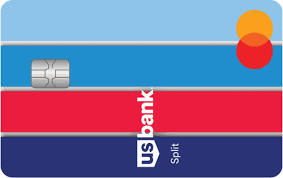
All information about the U.S. Bank Split™ World Mastercard® has been collected independently by CardCritics™
U.S. Bank Split Credit Card Review: Flexible Financing, but You Can Do Better
-
 Written by
Ryan Flanigan
Written by
Ryan Flanigan
-
 Edited by
Jasmin Baron, CCC™
Edited by
Jasmin Baron, CCC™
The U.S. Bank Split™ World Mastercard® is a financing-focused credit card designed to turn purchases into predictable monthly payment plans rather than earning rewards. It automatically places purchases into short-term installment schedules that can be extended for a fee.
While that may sound appealing, most people can get the same flexibility from a traditional credit card without giving up rewards or adding extra complexity, which makes this card difficult to recommend in most situations.
We’ll break down how the card works in our U.S. Bank Split Credit Card review.

400+ Credit Cards
Analyzed independently across 50+ data points in 30+ product categories

Reviewed
By a team of credit card experts with an average of 9+ years of experience

Trusted by
More than one million monthly readers seeking unbiased credit card guidance
CardCritics™ editorial team is dedicated to providing unbiased credit card reviews, advice and comprehensive comparisons. Our team of credit card experts uses rigorous data-driven methodologies to evaluate every card feature, fee structure and rewards program. In most instances, our experts are longtime members or holders of the very programs and cards they review, so they have firsthand experience maximizing them. We maintain complete editorial independence — our ratings and recommendations are never influenced by advertiser relationships or affiliate partnerships. You can learn more about our editorial standards, transparent review process and how we make money to understand how we help you make informed financial decisions.

Purchase and Balance Transfer APR
N/A

Recommended Credit Score
Good – Excellent
670 – 850
Balance Transfer Fee
None

Intro Bonus
N/A
Annual Fee
$0

Rewards
N/A
CardCritics™ Opinion
The U.S. Bank Split World Mastercard looks like a credit card, but barely functions as one. It may be a last-resort option for people who need structured repayment timelines and can’t qualify for other financing cards. The “split” feature can make large purchases feel more manageable if you prefer fixed payment schedules with a clear payoff window. However, extending repayment beyond three months on purchases of $100 or more incurs plan fees and can encourage overspending.
Our Critical Analysis:
U.S. Bank Split™ World Mastercard®
- No plan fees for 3-month payment plans
- No annual fee
- Automatic enrollment into structured repayment plans for purchases
PROS
- No rewards program
- Lacks flexibility compared to intro APR cards
- Longer plans with fees can encourage overspending
- Better low-APR and balance transfer options exist with fewer tradeoffs
CONS
U.S. Bank Split Credit Card Benefits
The U.S. Bank Split Card is built around repayment flexibility rather than rewards. It’s a stretch to say that anything is truly “worth it” with this card, outside of its repayment features.
Helps Separate Planned Financing From Everyday Spending
Because the U.S. Bank Split Card is designed specifically for installment-style repayment, it can work well for large purchases you plan to pay off over time. Using a separate financing card this way can make it easier to track progress toward a payoff goal without mixing those balances into everyday spending.
However, many other cards offer more favorable terms, whether with an intro APR, balance transfer offers or rewards for your purchases in addition to financing.
When I needed long-term financing, I opened the Wells Fargo Active Cash® Card, which offered a much longer intro APR term — 0% intro APR for 12 months from account opening on purchases and on qualifying balance transfers, then a 18.74%, 24.74%, or 28.74% Variable APR — plus 2% cash rewards on purchases, decent benefits and a welcome offer. I highly recommend pursuing that sort of value if you qualify.
Split Purchase Repayment Feature
The namesake feature of this card is its ability to split purchases into equal monthly payments over a fixed timeframe. Instead of carrying a revolving balance, eligible purchases are automatically divided into three monthly payments with no plan fee. Purchases of $100 or more can be extended to six or 12 months for a monthly fee based on the original purchase amount.
That can feel more structured than a traditional credit card balance, especially if you prefer knowing exactly when a purchase will be paid off in full. Smaller purchases under $100 are grouped together at the end of each billing cycle and repaid over the same three-month timeline.
If you’ve ever used Buy Now, Pay Later (BNPL) tools like Affirm or issuer pay-over-time features from cards such as American Express Plan It® or Chase Pay Over Time®, the experience is very similar. I much prefer when these tools are attached to credit cards, because I still earn rewards on my spending in addition to the repayment flexibility.
World Mastercard Benefits
As a World Mastercard, the card includes access to built-in protections that add some baseline value beyond its financing features, including Mastercard ID Theft Protection and Zero Liability Protection for unauthorized transactions.
Cardholders can also enroll for three free months of Instacart+ and receive $10 off their second Instacart order each month. Plus, the card offers a $5 Lyft credit after you pay for three Lyft rides in a calendar month. Both of these promotions expire on Jan. 31, 2027; terms apply.
U.S. Bank Split Credit Card Drawbacks
The U.S. Bank Split Card has several limitations that make it difficult to recommend to anyone with any other options.
No Rewards on Purchases
As we mentioned, this card doesn’t earn any rewards. While you might expect that feature on some of the best balance transfer credit cards with the longest repayment terms, the so-called flexible features of this card pale in comparison.
You give up additional value on your purchases in exchange for a feature that many competing cards already include and that many far exceed. If you have any other options, I recommend rewards credit cards that earn something back on every purchase. Otherwise, you might as well just use cash, since these repayment terms are so short.
The Split Feature Isn’t Unique
When installment-style repayment tools first appeared, they felt innovative. Today, many issuers allow cardholders to convert purchases into fixed payments after the fact, without needing to open a separate financing-focused card.
Because of that shift, the problem this card aims to solve is usually handled more effectively with one of the best low-APR credit cards. Unless you specifically prefer automatic installment plans over a traditional payoff timeline, stronger options are widely available. I can get longer no-interest repayment windows while still earning rewards on several credit cards I already use.
Overspending Is Possible
The split feature can also create subtle pressure to overspend. Because longer repayment timelines are only available for purchases of $100 or more, it can be tempting to increase the purchase amount just to qualify for installment payments. However, you’ll be on the hook for fees typically around 1.5% per month of the original plan amount (exact fees vary by account), instead of the fee-free 3-month plan option.
In practice, that’s similar to what many Buy Now, Pay Later services do. They make larger purchases feel easier to justify because the monthly payment looks small. The tradeoff is that extended repayment options often come with fixed fees, so spreading out a purchase can quietly increase the total cost even when the monthly payment seems manageable.
I’m not a fan of these types of services at all. They encourage overspending and don’t promote solid financial discipline. While these features can be useful in emergencies, some may use these plans to live beyond their means, which can negatively affect their overall financial future.
Who Is the U.S. Bank Split Credit Card Best For?
If I had to recommend it, I’d say this card is suited for someone planning a specific large purchase who wants a structured repayment timeline rather than a revolving balance. If predictable installment-style payments help you stay organized or reduce financial stress, the split feature can feel more comfortable than a traditional credit card payoff strategy.
However, most people looking at this card are likely better off with a card that offers a long introductory APR or a balance transfer offer. If you have good credit, you should be able to find much stronger alternatives with better features across the board. In many cases, you can get the same interest-free window (or much longer) plus the ability to earn rewards on your purchases.
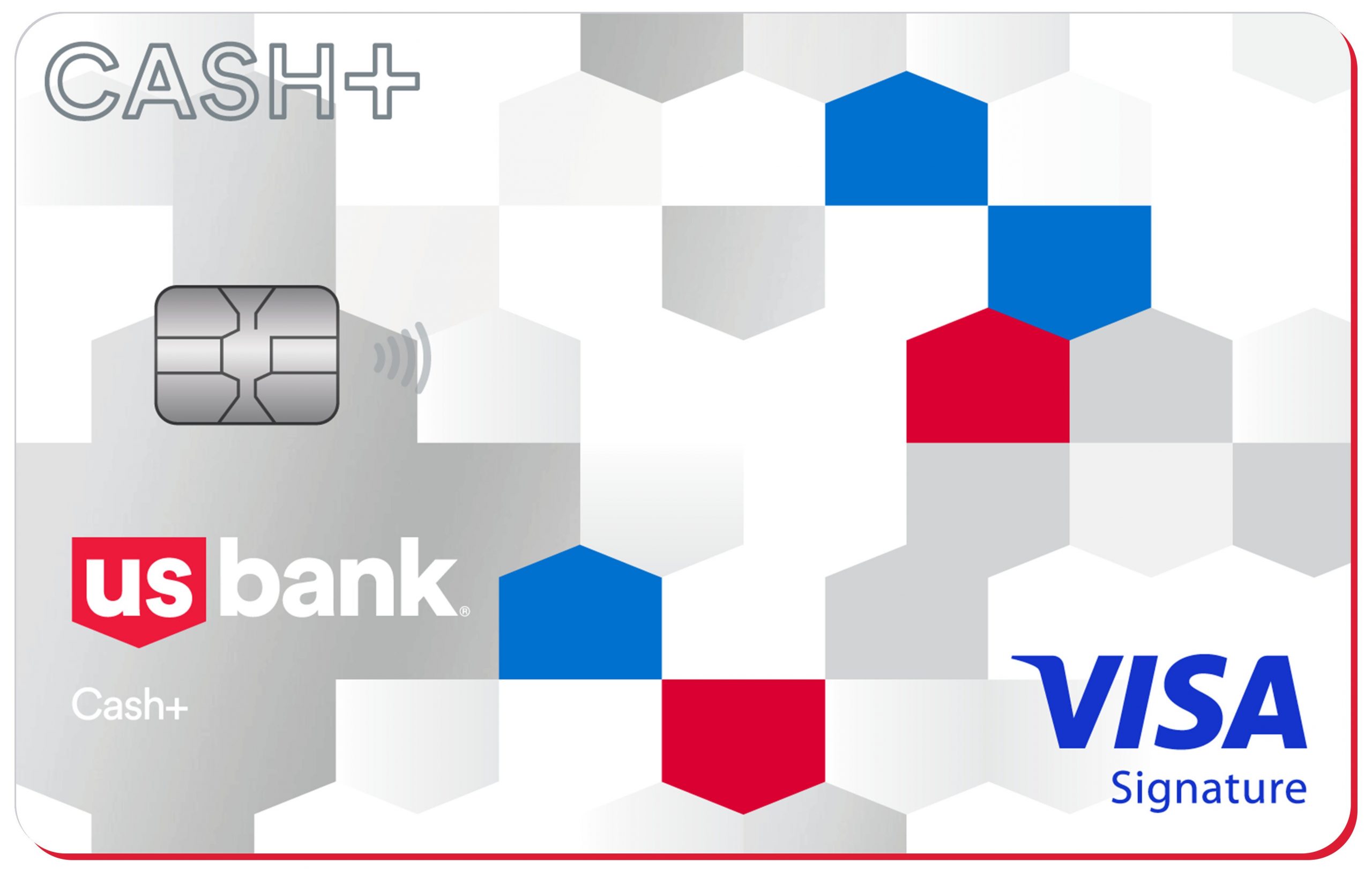
Even U.S. Bank itself offers more compelling options. For example, the U.S. Bank Cash+® Visa Signature® Card, U.S. Bank Altitude® Connect Visa Signature® Card and U.S. Bank Altitude® Go Visa Signature® Card all offer a welcome bonus, earn rewards on everyday purchases, and come with strong intro APR promotions for new cardholders:
- U.S. Bank Cash+ Visa Signature Card: 0% intro APR on purchases and balance transfers for the first 15 billing cycles, then a variable APR of 17.74% to 27.99% applies.
- U.S. Bank Altitude Connect: 0% Intro APR on purchases and balance transfers for the first 15 billing cycles. After that, a variable APR applies, currently 17.49%-27.49%.
- U.S. Bank Altitude Go: 0% Intro APR for 15 billing cycles on purchases and balance transfers, then 17.49% – 27.49%.
Is the U.S. Bank Split Credit Card Right for You?
This card could be a fit if:
- You want predictable installment payments instead of revolving balances
- You plan to finance a specific large purchase
- You can’t get approved for cards with better financing features
Alternatives to the U.S. Bank Split Credit Card
If you need to finance purchases, here are two alternatives that offer better overall value.
- Wells Fargo Reflect® Card: This card also offers a lengthy intro APR timeframe: 0% intro APR for 21 months from account opening on purchases and on qualifying balance transfers, then a 17.74%, 24.24%, or 28.49% Variable APR. The Wells Fargo Reflect Card also offers benefits such as cell phone protection and roadside dispatch, which you won’t find on the U.S. Bank Split Card.
- BankAmericard® credit card: The BankAmericard credit card focuses on long intro APR financing. It offers a generous intro APR. It is a superior choice for debt consolidation or planned large expenses. Unlike the U.S. Bank Split Card, you don’t need to choose a longer term, and you won’t pay interest as long as you make your minimum payments and pay off your debt by the end of the repayment term.
Card Details From U.S. Bank
- Automatic 3-month plans: Every purchase is automatically split into three monthly payments with no interest and no plan fees.
- Purchases under $100: Purchases under $100 are combined into one small purchase plan at the end of the billing cycle and repaid over 3 months. These plans cannot be extended.
- Purchases of $100 and above: Individual purchases of $100 or more qualify for an optional extension of the repayment period to 6 or 12 months.
- Extended plan fees: The 6- and 12-month plans include a monthly fee of 1.5% of the original plan amount.
- Plan durations may not be shortened, unless you pay off your plan balance.
- Plans can be viewed and managed 24/7 online or in the mobile app, including options to extend the repayment period and receive notifications.
How Does the U.S. Bank Split Credit Card Stack Up Against Competitors?
Here’s how the U.S. Bank Split Card compares to its competitors:
U.S. Bank Split Card | Wells Fargo Reflect Card | BankAmericard credit card | |
| Annual Fee | $0 | $0 | $0 |
| Welcome Bonus | N/A | N/A | N/A |
| APR | N/A | 0% intro APR for 21 months from account opening on purchases and on qualifying balance transfers, then a 17.74%, 24.24%, or 28.49% Variable APR | 0% Intro APR for 21 billing cycles for purchases, and for any balance transfers made in the first 60 days. After the intro APR offer ends a 15.24% - 26.24% Variable APR will apply. |
| Rewards Rate | N/A | N/A | N/A |
| Standout Feature | Automatically splits eligible purchases into three monthly payments with no plan fee | Cell phone protection | Optional overdraft protection |
Frequently Asked Questions About the U.S. Bank Split Credit Card
How does the split payment feature work on the U.S. Bank Split Card?
According to U.S. Bank, purchases of $100 or more will automatically be divided into three payments and placed into a plan to be paid back over three months, with no plan fees. The repayment period for these payment plans can be extended to six or twelve months for a small monthly fee.
Purchases under $100 are combined into a single small purchase plan at the end of the billing cycle and automatically split into three payments to be repaid over three months, with no plan fees. The repayment period for these small purchase plans can not be extended.
Does the U.S. Bank Split World Mastercard charge plan fees?
Yes, you may pay plan fees on the U.S. Bank Split Card. Purchases are automatically placed into fee-free 3-month repayment plans, but extending those plans to 6 or 12 months adds a monthly plan fee based on the original purchase amount.
Can I pay off a split plan early with the U.S. Bank Split Card?
Yes. After you pay your U.S. Bank Split minimum payment due, you can pay off specific plans in full.
Does the U.S. Bank Split Credit Card charge foreign transaction fees?
Yes, the U.S. Bank Split Card charges a 3% foreign transaction fee on purchases made outside the U.S., which makes it a poor choice for international travel. Consider one of the best no foreign transaction fee credit cards for overseas trips instead.
What credit score do you need for the U.S. Bank Split World Mastercard?
According to U.S. Bank, applicants generally need good to excellent credit to qualify for the U.S. Bank Split Card. However, if you have credit in this range, you can almost definitely find a better option.
Editorial Note: Any opinions, analyses, reviews or recommendations expressed are those of the author’s alone, and have not been reviewed, approved or otherwise endorsed by any card issuer.
*CardCritics™ references a FICO® 8 score, which is one of many different types of credit scores. A financial institution may use a different score when evaluating your application.