Is the Chase Freedom Flex Worth It?
-
 Written by
Sarah Hostetler
Written by
Sarah Hostetler
-
 Edited by
Jasmin Baron, CCC™
Edited by
Jasmin Baron, CCC™

The no-annual-fee Chase Freedom Flex® is among the absolute best cash-back credit cards on the market. It flaunts unusually high return rates on common purchases, and its rewards are more versatile than those of many other cash-back cards.
But is Chase Freedom Flex worth it for your unique situation? Here’s a quick guide to help you find out.

400+ Credit Cards
Analyzed independently across 50+ data points in 30+ product categories

Reviewed
By a team of credit card experts with an average of 9+ years of experience

Trusted by
More than one million monthly readers seeking unbiased credit card guidance
CardCritics™ editorial team is dedicated to providing unbiased credit card reviews, advice and comprehensive comparisons. Our team of credit card experts uses rigorous data-driven methodologies to evaluate every card feature, fee structure and rewards program. In most instances, our experts are longtime members or holders of the very programs and cards they review, so they have firsthand experience maximizing them. We maintain complete editorial independence — our ratings and recommendations are never influenced by advertiser relationships or affiliate partnerships. You can learn more about our editorial standards, transparent review process and how we make money to understand how we help you make informed financial decisions.
Quick Verdict
The prospect of earning up to 5% back on everyday expenses with Chase Freedom Flex makes it appealing to a whole lot of folks. Plus, it doesn’t charge an annual fee, which would otherwise eat into your earnings.
The card may not be ideal for those who prefer a set-and-forget rewards credit card; not only must you keep track of unique rotating bonus categories, but you must remember to activate them each quarter.
Chase Freedom Flex: At a Glance
For a no-annual-fee credit card, you’ll find a laundry list of valuable Chase Freedom Flex benefits. Here are some highlights to consider when deciding whether the card is worth a slot in your wallet:
- Annual Fee: $0
- Welcome Offer: Earn a $200 Bonus after you spend $500 on purchases in your first 3 months from account opening!
- Rewards Structure: 5% cash back on up to $1,500 in combined purchases in bonus categories each quarter you activate. Enjoy new 5% categories each quarter! 5% cash back on travel purchased through Chase Travel℠, our premier rewards program that lets you redeem rewards for cash back, travel, gift cards and more. 3% cash back on drugstore purchases and dining at restaurants, including takeout and eligible delivery service, and unlimited 1% cash back on all other purchases.
- Statement Credits and Perks:
- Rewards can be used for more than just cash back: The Chase Freedom Flex isn’t a typical cash-back credit card. Your rewards can also be used toward travel, gift cards and other redemptions.
- Chase Offers: Receive targeted discounts and bonus rewards on a variety of purchases. You can add them to your card with just a few clicks within your online account.
- Interest-free window: New cardholders qualify for a 0% Intro APR on Purchases and Balance Transfers for 15 months, then 18.24% - 27.74% Variable APR
- Cell phone protection: Receive automatic cell phone insurance when you pay your wireless bill with your card. With a $50 deductible, you’ll get up to $800 in protection against theft or damage per claim (maximum $1,000 per 12-month period).
- DoorDash perks: Get six complimentary months of DashPass membership when you activate by Dec. 31, 2027.
- Estimated First-Year Value: If you do nothing more than earn the Chase Freedom Flex’s welcome bonus and maximize its quarterly 5% rotating bonus categories, you’ll achieve an easy $500 in rewards. With a bit of extra effort, such as employing Chase Offers and activating the complimentary DashPass membership, you could do considerably better.
Who Should Consider the Chase Freedom Flex?
Among the best rotating-category credit cards, the standout benefit of the Chase Freedom Flex is its 5% return on quarterly bonus categories (on up to $1,500 in purchases, then 1%) when you activate. Check the Chase Freedom Flex rewards calendar to see whether your purchases align with what has historically been offered. If so, the card is likely an excellent complement for your wallet.
The card can also be a good fit for those trying to escape high-interest debt. Its intro APR on purchases and balance transfers can save you hundreds (even thousands) of dollars in interest, depending on your current balances and monthly payments. Just mind the intro balance transfer fee, which is $5 or 3% of your transfer, whichever is greater, on transfers made within the first 60 days of account opening (after that, the fee increases to either $5 or 5% of each transfer, whichever is greater).
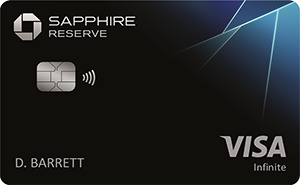
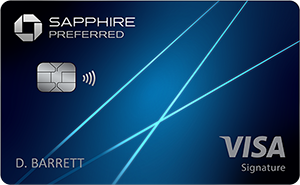
Finally, the Freedom Flex pairs perfectly with those who currently have (or plan to in the future) one of the best Chase credit cards that earn Chase Ultimate Rewards® points, including the Chase Sapphire Preferred® Card and Chase Sapphire Reserve®.
That’s because these travel credit cards give you the ability to transfer rewards to valuable Chase airline and hotel partners, such as Southwest Rapid Rewards, United MileagePlus, Marriott Bonvoy and Air Canada Aeroplan. Doing so can yield a higher return than simply redeeming them for cash at 1 cent each.
I recently transferred 40,000 Chase points to World of Hyatt for a $1,100 stay at the Park Hyatt Milan. That’s a value of 2.75 cents per point — far more than if I had simply redeemed them for cash.

Who Should Skip the Chase Freedom Flex?
Skip the Freedom Flex if you don’t want the hassle of juggling rotating bonus categories and remembering to activate your 5% bonus categories quarterly. While it truly doesn’t take much effort, some will understandably prefer a card that earns a respectable fixed return on all purchases.
As an example, the Citi Double Cash® Card, an advertising partner, earns 1% when you make a purchase and 1% when you pay it off. Effectively, 2% cash back on everything isn’t a bad deal.
How To Maximize the Chase Freedom Flex’s Value
Once you’ve got the Chase Freedom Flex, it’s time to come up with a simple game plan for earning and redeeming.
Schedule Quarterly Alerts
Because there are a few things to remember with the Freedom Flex, keeping tabs on the card is critical to make the most of it.
Set reminders to:
- Examine new bonus categories each quarter
- Manually activate the new categories
It can even be worth putting a sticky note on the front of your card with the current categories, just to keep them top of mind. It’d be a bummer to continue spending in a previous bonus category only to realize later that you’ll get a paltry 1% back.
Prepay Expenses
There may be times when it’s difficult for you to achieve the maximum $1,500 in quarterly spending in the current Chase Freedom Flex bonus categories. Depending on the bonus categories, you could consider prepaying expenses you know you’ll have later in the year to take advantage of the higher earning rate.
I’ve done this before with stores like Amazon. Amazon spending typically appears as a 5% bonus category once per year on the Chase Freedom Flex calendar. If I’m near the end of the quarter and I haven’t spent the full $1,500 in the 5% rotating bonus categories, I simply buy an Amazon gift card (purchased directly from Amazon) for the remaining amount. I know I’ll use it later, and I avoid missing out on quarterly bonus rewards.
Open an Annual Fee-Incurring Ultimate Rewards Credit Card
Spending on the Chase Freedom Flex is one of the most efficient ways to rack up Chase Ultimate Rewards points, one of the most valuable travel rewards currencies on the planet.
But again, to unlock the true power of the points, you must have a card like the Chase Sapphire Preferred Card. You can then transfer points to airline and hotel loyalty programs to get potentially double or triple the value for hotel stays and air travel.
Final Verdict on the Chase Freedom Flex
In most cases, it’s worth kicking the tires on the Chase Freedom Flex. It comes with an impressive return rate and useful benefits such as cell phone insurance and an intro APR offer. And because it doesn’t have an annual fee, there’s little to lose by giving it a try.
The card’s primary draw is the up to 5% back on rotating bonus categories. Spend two minutes reading up on whether previous Chase Freedom Flex bonus categories jive with your spending habits. If so, the card is a no-brainer.
The information related to the Chase Sapphire Reserve® was collected by CardCritics™ and has not been reviewed or provided by the issuer of this product/card. Product details may vary. Please see issuer website for current information. CardCritics™ does not receive a commission for this product.
Frequently Asked Questions About the Chase Freedom Flex
Is the Chase Freedom Flex good for beginners?
Yes, the Chase Freedom Flex is good for beginners. Its earning rate is strong, and its rewards can be used for simple cash back.
Is Chase Sapphire Preferred better than Freedom Flex?
The Chase Sapphire Preferred Card is better than the Chase Freedom Flex in many ways, especially for travel. But there are upsides to the Freedom Flex that you won’t find with the Sapphire Preferred Card, such as improved earning rates on some spending categories, cell phone protection and no annual fee.
What is the Chase 5/24 rule?
If you’ve opened five or more credit cards from any bank within the past 24 months (excluding most small business credit cards), you won’t qualify for most Chase credit cards — including the Chase Freedom Flex. This is unofficially known as the Chase 5/24 rule.